
Exosome stem cell therapy is gaining attention in Glasgow as a promising treatment option for various conditions. This innovative approach uses tiny vesicles called exosomes, which are released by stem cells and play a crucial role in cell communication, tissue repair, and immune regulation. Unlike traditional stem cell therapy, exosome therapy focuses on the healing signals produced by stem cells rather than the cells themselves. As a result, it offers a potentially safer and more accessible treatment pathway for many patients.
This article explores what exosome stem cell therapy is, how it works, its potential benefits, safety considerations, and what patients should expect when considering this treatment in Glasgow.
What Is Exosome Stem Cell Therapy?
Exosome stem cell therapy uses extracellular vesicles called exosomes to deliver healing signals to damaged tissues. Exosomes are microscopic particles that carry proteins, lipids, and genetic material. These components help regulate inflammation, promote tissue regeneration, and support cellular communication.
How Exosomes Work
Exosomes are naturally released by stem cells and other cell types. They travel through the bloodstream and bind to target cells, delivering their cargo. This process can help stimulate tissue repair, reduce inflammation, and support overall cellular function.
Why Exosomes Are Used Instead of Stem Cells
Traditional stem cell therapy involves injecting live stem cells into the body. While this can be effective, it also comes with certain challenges such as immune rejection, tumor risk, and complex regulatory requirements. Exosome therapy avoids many of these concerns because it does not introduce living cells into the body.
The Science Behind Exosome Therapy
Understanding the science behind exosome therapy helps explain why it is considered a major advancement in regenerative medicine.
Exosome Composition
Exosomes contain proteins, messenger RNA, microRNA, and other bioactive molecules. These components influence gene expression, reduce inflammation, and encourage tissue regeneration.
Mechanisms of Action
Exosomes support healing through several key mechanisms:
Reducing inflammation by modulating immune response
Promoting tissue repair and regeneration
Encouraging angiogenesis, the formation of new blood vessels
Enhancing cellular communication and function
Potential Benefits of Exosome Stem Cell Therapy
Exosome therapy is being explored for a wide range of conditions due to its regenerative and anti-inflammatory properties.
Pain Relief and Joint Health
Exosome therapy may help reduce pain and improve function in joints affected by osteoarthritis, tendon injuries, and other degenerative conditions. By promoting tissue repair, it may support improved mobility and reduced discomfort.
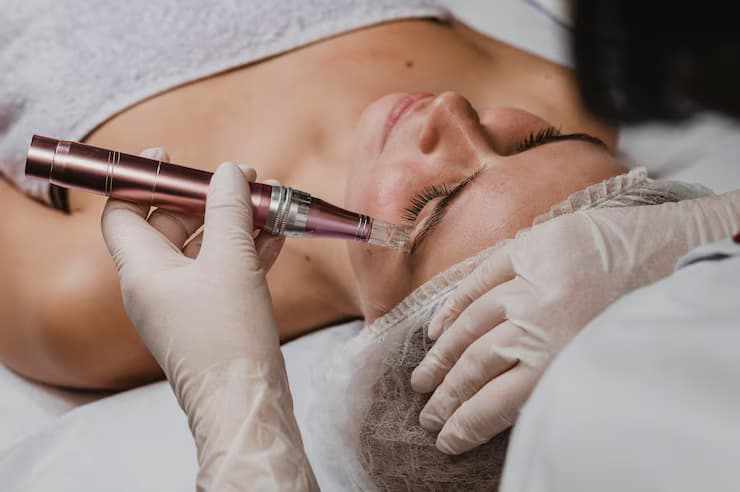
Skin Rejuvenation
In cosmetic medicine, exosome therapy is used to improve skin texture, tone, and elasticity. It can support collagen production, reduce fine lines, and enhance overall skin health.
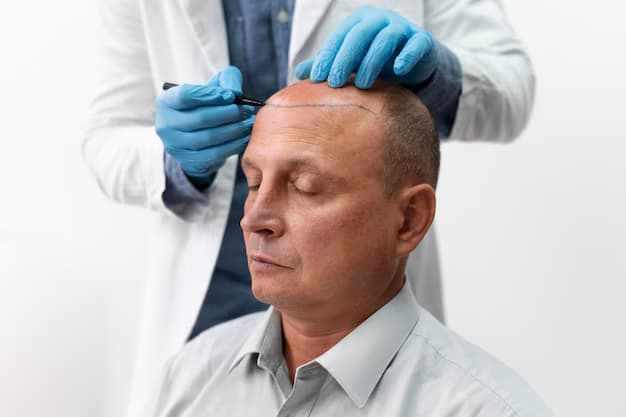
Hair Restoration
Exosome therapy is also being studied as a treatment for hair thinning and loss. The growth factors in exosomes may stimulate hair follicles and improve hair density over time.
Neurological and Immune Support
Emerging research suggests exosome therapy may support nerve regeneration and immune regulation. While still under investigation, these potential benefits highlight the wide range of applications for exosome therapy.
Exosome Therapy in Glasgow: What Patients Should Know
If you are considering exosome stem cell therapy in Glasgow, there are several important factors to keep in mind.
Choosing a Qualified Clinic
Selecting a reputable clinic is essential. Patients should look for medical professionals who specialize in regenerative medicine and have experience with exosome therapies.
Treatment Process and Timeline
Exosome therapy typically involves a consultation, medical assessment, and treatment session. The number of sessions can vary depending on the condition being treated. Some patients may notice improvement within weeks, while others may require several months to see significant results.
Expected Outcomes
Results can vary based on the patient’s health, the condition being treated, and the quality of the exosome product. While some patients experience notable improvements, others may see gradual changes over time.
Who Is a Good Candidate for Exosome Therapy?
Exosome therapy may be suitable for individuals seeking regenerative treatment for chronic pain, skin aging, hair loss, or other conditions. However, not everyone is a candidate.
Ideal Candidates
Ideal candidates typically include individuals who:
Are in generally good health
Have realistic expectations about outcomes
Have not responded well to conventional treatments
Are looking for non-surgical regenerative options
When to Avoid Exosome Therapy
Exosome therapy may not be recommended for individuals with active infections, certain autoimmune conditions, or those who are pregnant or breastfeeding. A medical evaluation is necessary to determine eligibility.
Questions to Ask Before Treatment
Before proceeding with exosome stem cell therapy, patients should ask important questions to make an informed decision.
About the Treatment
What is the source of the exosomes?
How are the exosomes processed and tested?
How many sessions are recommended?
What results can be expected, and in what timeframe?
About the Clinic
What qualifications do the medical staff have?
What safety protocols are in place?
Are follow-up appointments included?
Conclusion
Exosome stem cell therapy is emerging as a promising option for patients in Glasgow seeking regenerative treatment for pain, skin aging, hair loss, and other conditions. While research is still evolving, the therapy offers a novel approach by harnessing the healing power of exosomes without using live stem cells. Patients should carefully evaluate clinics, understand potential risks, and have realistic expectations about outcomes. For those considering this advanced therapy, the Este Medical Group provides expertise and support throughout the treatment process.









Write a comment ...